

Fascia Installation Near Me
Soffit and fascia boards can help protect your home from moisture damage and pests, among other things. They also add to your home's overall curb appeal.
Depending on your preferences, you can choose from wood, vinyl, aluminum, or composite. This article will go over the advantages of each option to help you choose the perfect match for your requirements.
Material
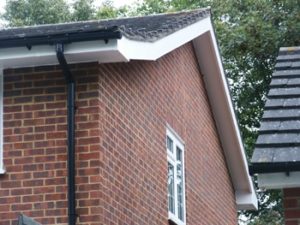
The material used to construct fascias near you could be wood, polyvinylchloride (PVC) or aluminum. Different materials offer different degrees of aesthetics and durability. Wooden fascia, for example, can be stained or repainted to reflect the style of a house but it requires regular maintenance to avoid the spread of insects and rot. PVC fascia, on other hand, is more durable and resistant to insect damage, moisture and rot. It comes in a variety of colors and styles. This makes it an ideal option for homeowners looking to add a modern look to their home.
The type of fascia that you select should be based on the climate of your area and local building codes. For instance, if your region is prone to rainy weather, then you may require a fascia that is waterproof to shield the foundation of your house from water damage. In addition, you should review your local building code requirements to make sure that the fascia has been rated for the snow load and wind speed of your roof.
To put up your new fascia, begin at the Gable end of your roof. Work up to the peak as far as the full panels will fit. Then, place them in the channel and secure them with nails in the panel grooves. It's best to leave 1/8" between each board in order to avoid over-tightening. This gap allows for the boards to expand or contract without causing tension.
If you're planning on doing DIY fascia installation ensure you have enough time and the proper tools. You'll need a ladder in order to reach the roof, and you might need a second person to ensure safety. Make sure to use a ladder with a solid foundation to decrease the risk of falling off and hurting yourself. Wear a safety helmet when working on a step ladder.
Consider hiring a professional for the job if you'd like to be able to guarantee your solution. They have the expertise and experience necessary to perform a safe and high-quality installation. They also provide warranties that cover any future problems.
Cost
The fascia is a vital part of your roofline. It shields the rafters while enhancing the appearance of your home. It also serves as an element that shields your house from the elements and keeps water out. You should inspect the fascia frequently and fix any damage immediately to avoid costly issues down the road. Fascias that are not maintained properly can lead to leaks, rot, or infestation. If you observe these signs, it's time to call an expert for fascia installation.
The cost of a new or replacement fascia is contingent on a number of factors, including the type of material employed and the size of your home. A larger house will require more materials than smaller ones, and so the total cost will be more expensive. In addition, the cost will increase if you need to replace your soffit at the same time. You should also think about whether you want a waterproof or synthetic one, which can be more expensive but will last longer.
The materials for fascia boards are available in many styles and colors. You can choose from aluminum, wood and vinyl. Aluminum is a fantastic option because it is resistant to rot and insects. However it is more expensive than wood or vinyl. Wood is a traditional option, but it could decay and requires regular painting. Fiber cement and composite fascia are an alternative to wood, and are less prone to rot and insects.
Certain fascia boards are pre-formed and made to precisely match the dimensions of a building, which reduces waste and increases accuracy. Some are bent on-site using trim coils that can be more prone to human error and result in gaps or imperfections. Depending on the type and condition of your existing fascia, pre-formed boards can be as much as 30% cheaper than bend-on-site alternatives.
When choosing a contractor for fascia installation, be sure to check their insurance and license. You should also find out the kind of training and experience they have, as well as their past work experience and references. Ask about the different types fascias they've installed.
Style
Fascia is a tiny part of your roof that serves a variety of functions. It shields your home from water damage by directing rainwater away from the eaves. It can also assist in keeping pests and rodents away. It can also improve the aesthetics of your home, giving it a an elegant and polished look. The modernization of your fascia can boost the value of your home, and save you money on energy costs. It is best to employ professionals to complete the task to ensure that it's done right.
You can pick from different materials for your fascia board, such as vinyl, wood, and aluminum. Each type of material has its own advantages and disadvantages. Certain materials are less expensive than others but what is most important is how well they stand up to the elements of weather. You can also opt to have the fascia boards painted if you desire a more appealing finish.
Before beginning the process of installing your fascia boards, ensure that you're comfortable working on a ladder. Wearing Repair My Windows And Doors as safety goggles or safety glasses is a good idea. This will protect your eyes in the event that the nailer accidentally misfires. This precaution is also recommended because a ladder may tip over easily in rainy or windy weather.
Measure the length of fascia and soffit boards before you begin the installation process. This will give you an idea of the length needed to cut the board. Start with the longest boards to ensure you can make time to rectify any mistakes. You can also pre-drill the holes prior to installing the boards.
After you've measured the fascia boards, you can begin cutting the fascia boards. Wear safety glasses and a blade rated for wood when cutting. It's best to avoid cutting too close the edge, as this could lead to water leaking under the shingles.
After cutting the boards you can put them in place using fasteners. To ensure a consistent appearance pick fasteners that are the same color as your fascia boards. It is also recommended to select screw plugs that conceal the screws, if required.
Installation
Fascia is a building underneath the roofline that protects the structure from pests and damage. It also holds shingles or tiles securely in place and stops moisture from penetrating into the wood rafters. Additionally, it can improve the appearance of a home and increase its curb appeal. It can be made from various materials, including aluminum and wood. The style of fascia you pick should match the style of your home. For instance, modern homes tend to have wider fascias while Craftsman style homes might have smaller ones.
The cost of installing or replacing a fascia board can vary by material and design. However, a typical project costs $5 to $12 per linear foot. This includes labor charges as well as equipment and material prices. Homeowners can save money by hiring a professional to do the job. This will ensure that the task is done correctly and that any problems are fixed as quickly as is possible.
Before you begin the installation process, measure the length of your roof to determine the amount of fascia you will need. The materials can be bought at a lumberyard or hardware store. Cut the boards to the appropriate length and then nail them into the correct position. Use a level to ensure the boards are straight. Always wear safety glasses while working on a ladder.
The material you choose to use for your fascia will influence its durability as well as its maintenance and aesthetics. For instance, wood fascia is an extremely popular choice since it has a classic look and is able to withstand weather conditions. It's also fairly easy to install and you can paint it any color you want. Aluminum fascia is also a strong option that can withstand rust and corrosion. However it's more expensive than vinyl or wood.
Check with your local building codes prior to installing the fascia to ensure that it meets all regulations. Some states require structural facia that are based on the snow load or wind rating and the thickness of roof eaves.